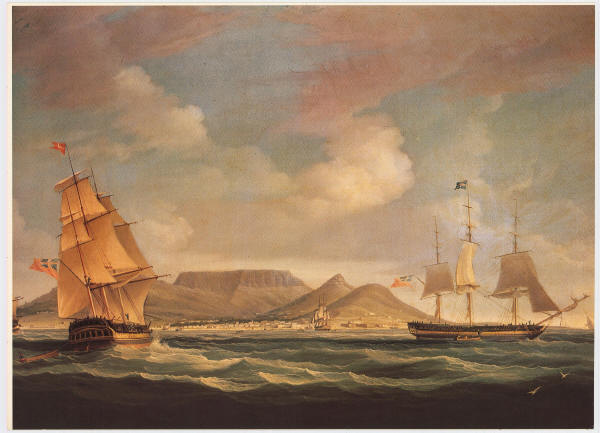
250 years ago, Cape Town was a bustling port on the tea trade routes between Europe and China. Tea drinking was popular but expensive for early settlers in South Africa at this time, so when naturalist Carl Thunberg noted that ‘the country people make tea’ from the leaves of a wild plant in 1772, it was only a matter of time before indigenous ‘bush teas’ became common substitutes for traditional brews.
THE HISTORY OF ROOIBOS

THE ROOIBOS PIONEER
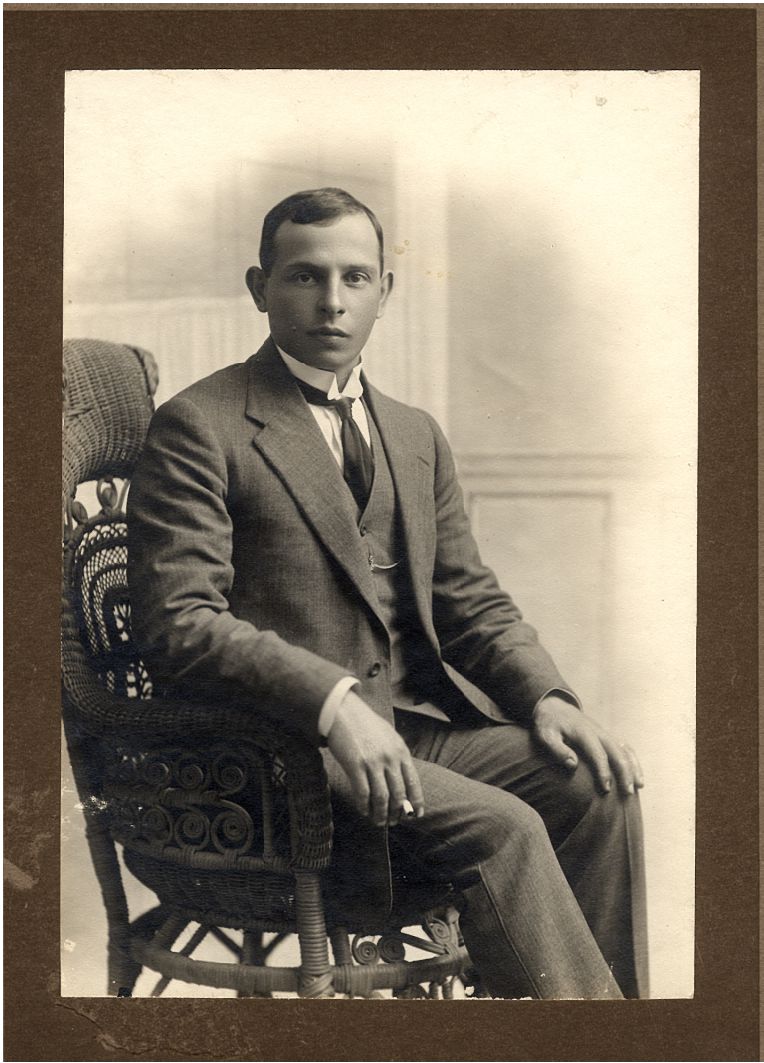
Our great-grandfather Benjamin Ginsberg, a young man from a tea merchant family, arrived in the Cape’s Cederberg Mountains at the beginning of the twentieth century. Becoming fascinated with the potential of the wild rooibos shrub, he applied ancient Chinese tea curing techniques to the leaves and soon brought out the best of their taste and colour. As a mark of quality, he sold his tea in small packets rather than from the customary chests or bags.
PLANTING THE FIRST ROOIBOS FARMS
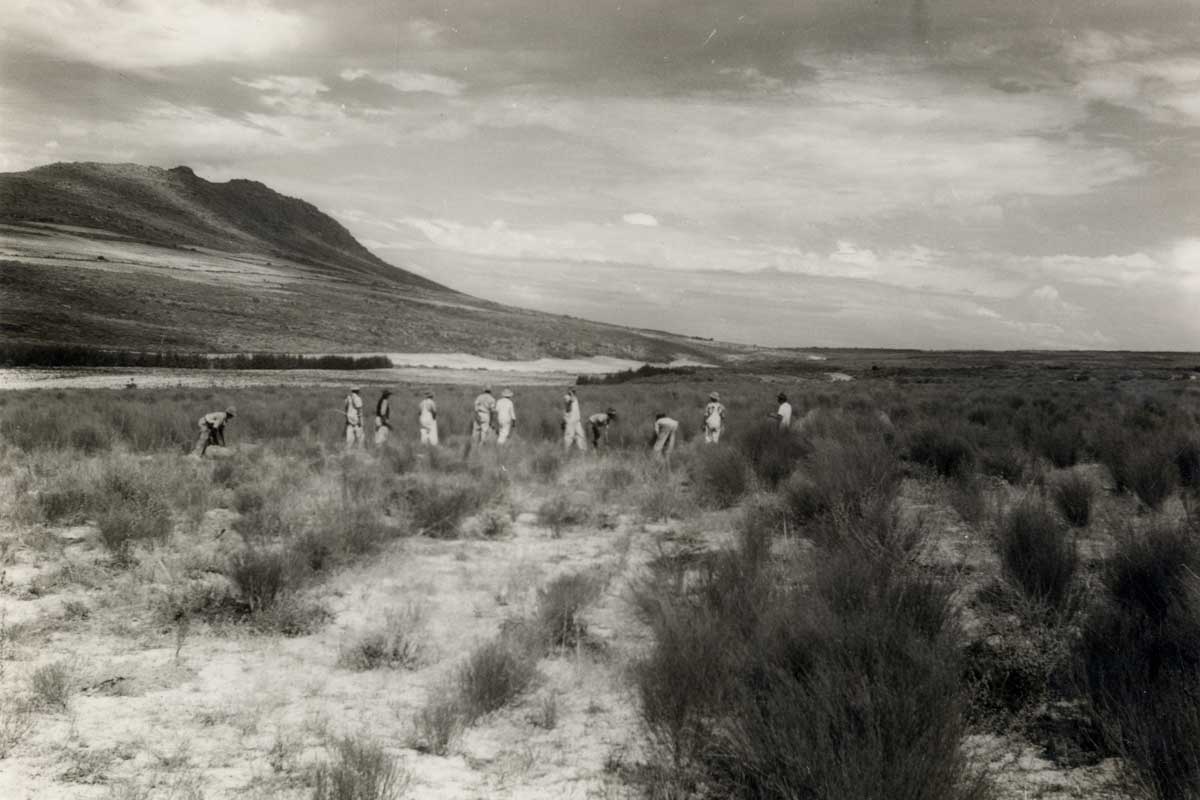
Naturally, wildly growing rooibos couldn’t keep up with this new demand. And so, in 1930, Benjamin encouraged friends Dr Le Fras Nortier and Olaf Bergh to try propagating the never before cultivated rooibos seeds. In 1944, Benjamin’s son, Henry Charles, laid out the original dedicated rooibos farms, scaling rooibos for the first time into an agricultural crop.

PUTTING ROOIBOS ON THE MAP
Henry Charles Ginsberg helped transform rooibos from niche item to a nationally enjoyed drink. After his tea became South Africa’s best-selling rooibos, Henry Charles began exporting it, registering the first overseas trademarks as early as 1955.

ROOIBOS COMES TO THE UK
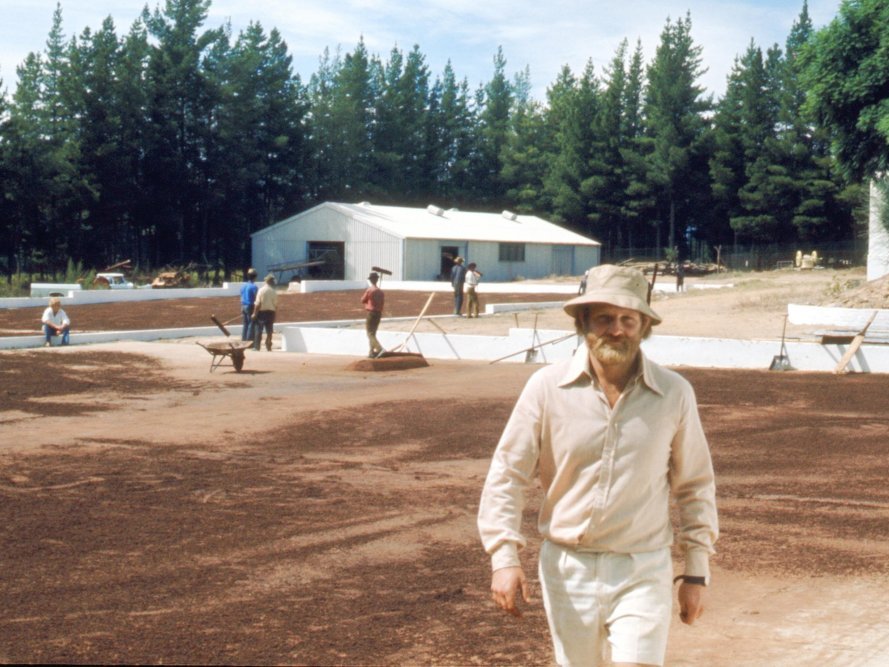
Benjamin’s grandson, Bruce, also caught the tea bug. An expert on all things tea, he continued to make finest grade Rooibos on the family farms until his desire to share the benefits of this unique drink more widely led him to the UK in 1976. After years of touring health shops, writing articles and promoting at trade shows, rooibos began to catch on.
TICK TOCK - BRITAIN’S FAVOURITE ROOIBOS
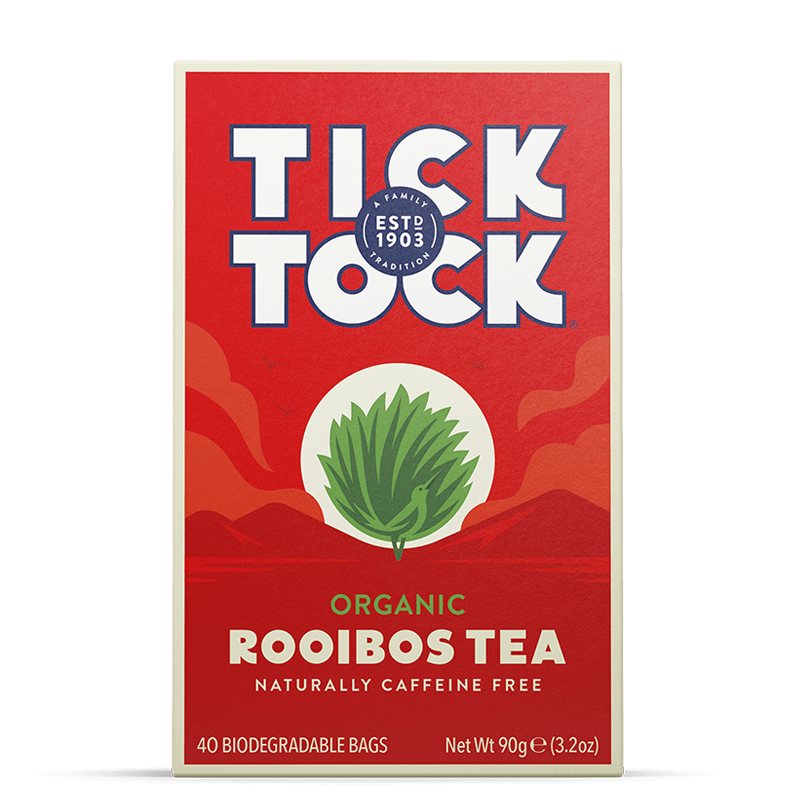
Over 115 years since Benjamin’s first Rooibos adventures, Tick Tock is proud to be one of Britain’s favourite independent tea companies, with its iconic packs found in kitchen cupboards across the country. We are still very much a family concern, with Georgia, Bruce’s daughter, busily spreading word of the wonder plant that brings us all ‘bright days & peaceful nights’.

have you tried...